
“We didn’t recruit for curiosity, business acumen, data acumen, or technology skills—and those are about to be essential.”
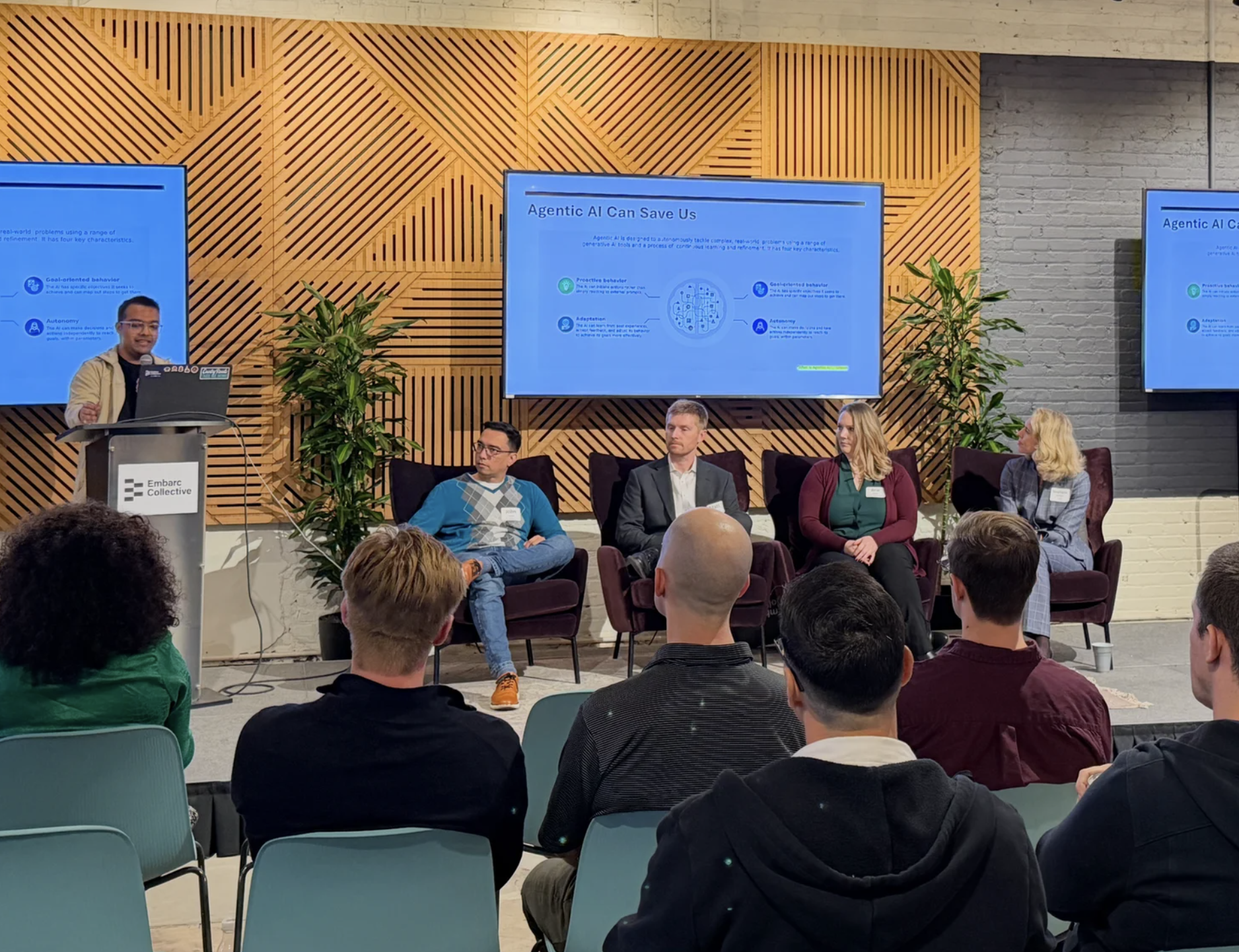
Brie Matier, Director of Procurement Services at the University of South Florida, said this while explaining that traditional procurement roles were built around compliance and transactions. Because of that, hiring focused on process adherence rather than curiosity or strategic thinking. Those tradeoffs made sense at the time. They no longer do.
If you missed our recent Working With Government Procurement in an AI Age event, we'll cover some highlights in this and future messages. This particular insight resonated, as it captured a shift many organizations are now confronting as we head into the end of the year.
For a long time, many industries (procurement included) hiring optimized for stability. Roles centered on managing volume, following rules precisely, and minimizing risk through consistency. The work itself required sustained human effort, so hiring reflected that reality.
AI is changing the foundation of that model.
Across industries, research on AI adoption shows a consistent pattern. AI does not eliminate jobs all at once. It removes tasks. The first tasks to disappear are repetitive, rules-based activities that once defined much of procurement’s daily workload.
What replaces them is not less work, but different work.
By 2026, many procurement and adjacent roles will spend significantly more time on:
Interpreting outputs rather than producing raw analysis
Connecting contract language to operational and business risk
Navigating ambiguity when data is incomplete or conflicting
Exercising judgment in negotiations, exceptions, and edge cases
These are simply not skills most organizations systematically hired for in the past.
This gap explains why many AI initiatives stall. The issue is rarely that the technology does not work. More often, teams were not built, trained, or supported to use it well.
Several practical themes came up repeatedly at the event and align closely with what research suggests separates successful AI adoption from stalled pilots.
First, organizations that are preparing well are shifting how they evaluate talent. They are focusing less on job titles and tenure and more on curiosity, adaptability, and reasoning ability. The people who ask better questions often outperform the people who simply know the process best.
Second, they are explicit about what should remain human. AI is effective at scale, consistency, and cross-checking. Humans remain responsible for interpretation, accountability, and decisions that carry legal or reputational consequences.
Third, they are embedding AI into real workflows rather than treating it as a separate destination. Tools succeed when they reduce friction in things people already do, such as reviewing contracts, validating defined terms, and identifying inconsistencies before they become issues.
This is the problem SquarePact is designed to address.
SquarePact does not (and can not) replace procurement expertise. It reduces the low-value cognitive load that drains time and attention so experienced professionals can focus on judgment, strategy, and outcomes.
As we close out the year, the takeaway is straightforward. Procurement is not becoming less important in the AI age. It is becoming more strategic. By 2026, hiring, development, and tooling decisions made now will determine which teams are ready and which are scrambling.
That starts with being honest about what we did not recruit for in the past and intentional about what we prioritize next.
Happy Holidays everyone!
- John
