
The $70 Million Comma: What Small Document Errors Actually Cost
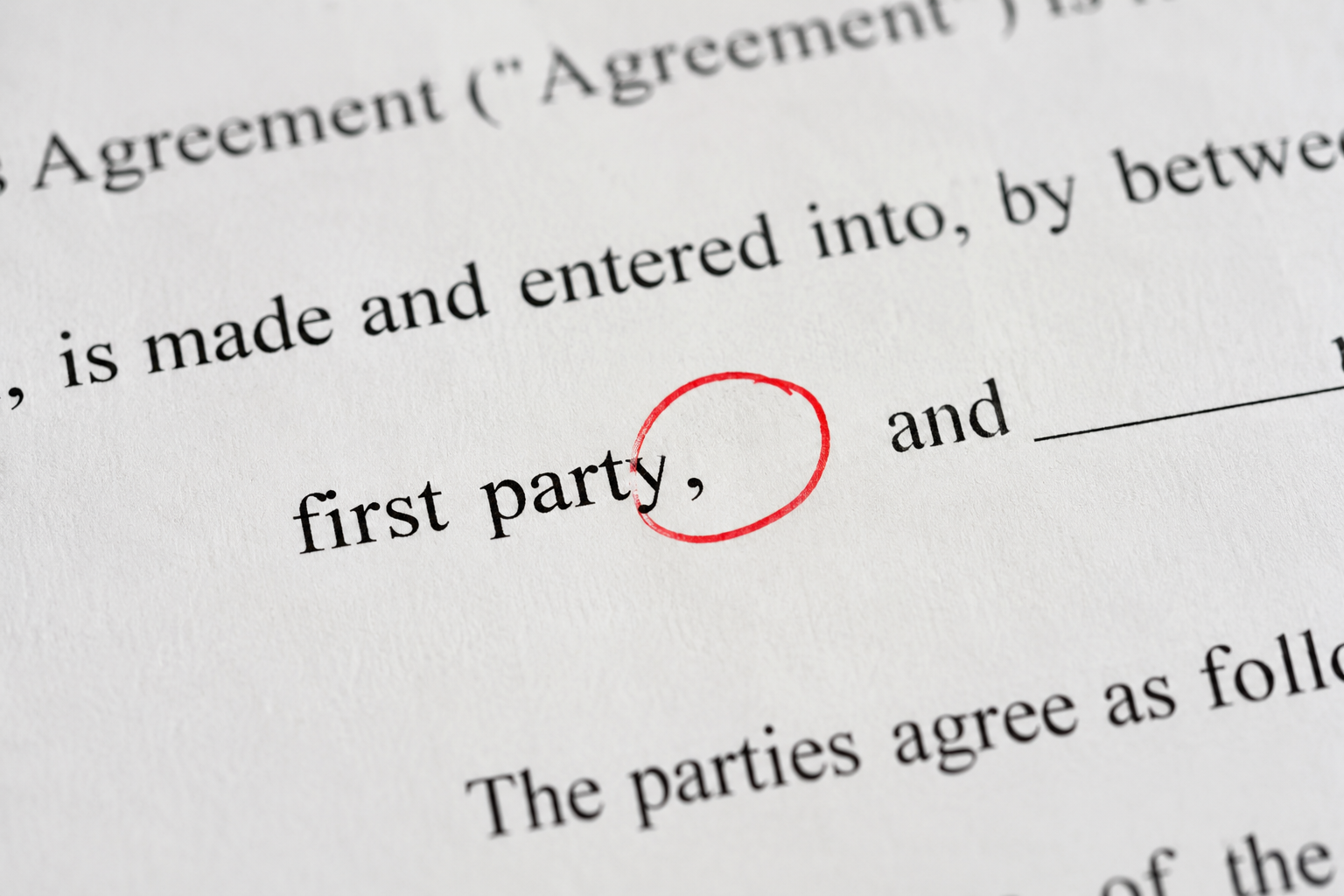
A misplaced comma, a stray copy-paste, a single zero in the wrong spot. Each one cost a company millions, and each one made it past a final review before anyone noticed.
In 1999, Lockheed Martin signed an international contract for its C-130J Hercules transport plane. Somewhere in the equation that adjusted the sales price for inflation, a comma sat one decimal place off. In much of Europe a comma marks a decimal point, so the figure came out wrong, and the customer held Lockheed to the number printed on the page. The company's own aeronautics president put it bluntly to the Financial Times: "That comma cost Lockheed $70 million."
That line gets passed around as a punctuation gag. The more useful way to read it is this: a tiny, easily missed mark survived every review and reached the other side as if it were correct. That is the real problem, and it is not rare.
It keeps happening. Lockheed is the famous one, but the same story has played out again and again, in different documents, for different reasons.
The Rogers "million dollar comma." In a mid-2000s Canadian dispute, where a single comma sat inside a 14-page contract decided whether the other party could cancel the deal early. A regulator first read the clause against Rogers Communications, putting roughly one million Canadian dollars on the line. Rogers later produced the French version of the same contract, which had no stray comma, and won on appeal. The lesson holds either way: one mark changed what the clause was understood to mean.
Oakhurst Dairy and the missing Oxford comma. In 2017, delivery drivers in Maine sued over unpaid overtime. The case came down to a missing comma in a list inside the state's labor law, which left it unclear whether "distribution" was its own activity or attached to the phrase before it. That ambiguity reportedly cost the dairy about $5 million. It was a statute rather than a private contract, but it is the most cited punctuation cases there is.
JPMorgan and the misplaced zero. A trader was handed an employment contract listing his pay as 24 million rand. The intended figure was 2.4 million, one tenth as much, the gap being a single decimal point, and he sued to hold the bank to the larger number. A misplaced zero, in writing, in a document someone had already signed off on.
TransAlta's $24 million copy-paste. In 2003, the Canadian power company submitted bids for transmission contracts using a spreadsheet. A cut-and-paste slip misaligned the rows, so its bids landed on the wrong contracts. The mistake cost the company $24 million, about a tenth of its profit that year. The CEO described it as a cut-and-paste error they "did not detect" before submission.
A fair caveat, since I would rather be accurate than dramatic. Two of these (Lockheed's pricing equation and TransAlta's spreadsheet) happened in math and in Excel, not inside a Word document, and I am not going to pretend a Word tool would have caught them. I include them because they make the same point as the comma cases: the error was small, it was missable, and it survived until it became someone else's discovery.
The thread running through all of them
The common factor is not punctuation or arithmetic. It is timing.
In every case, a person sent a document believing it was finished and clean. It wasn't. The error got found by the other side, by a court, or by an auditor, which is the most expensive possible place to find it. The TransAlta CEO's framing is the part worth sitting with: the problem was not that the error existed, it was that nobody caught it before the document went out.
So the question that decides what a document mistake costs you is short. Who finds it first?
The cost you can't see in a headline
Most document errors never make the news. They show up instead as a sort of tax on everyone who lives in Word, Excel, and PDFs all day.
World Commerce & Contracting's 2025 research estimates that organizations lose value equivalent to about 8.6% of annual revenue to inefficient contracting, a figure that climbs past 15% in complex, highly regulated sectors. On a per-document basis, WorldCC puts the average simple contract at roughly $6,900, and complex agreements above $49,000. A single human-led contract review takes about 92 minutes on average.
And the raw exposure is large. Office workers spend more than half their time creating or updating documents, and the average enterprise employee makes over 1,000 copy-paste actions a week. Every one of those pastes is a small chance for the TransAlta problem to repeat, just with fewer zeros attached.
We made SquarePact because the weak point in all of this is the final review. The check that is supposed to catch the small stuff is usually a tired person reading a long document one more time, and that is exactly when stray commas, mismatched defined terms, and broken cross-references slip through.
How to Catch Tiny (but Consequential) Errors
SquarePact is a Microsoft Word add-in, available now, that focuses on the mechanical bugs in contracts that are easy to miss. It checks formatting consistency, flags where defined terms are used inconsistently across a document, verifies cross-references, and more. Best of all, it lets you run a document review entirely inside Word without having to copy-and paste from another AI (which would introduce copy-paste errors). It’s designed to work with Word’s quirks, so it corrects structure without the formatting damage that copy-paste and general-purpose AI tools tend to cause.
SquarePact does not act on its own, it does not touch your wording, and it shows you every proposed change before a single one is applied. And because privacy is so important with sensitive documents, SquarePact carries a zero data retention policy and runs inside your own Microsoft 365 environment.
Would SquarePact have saved Lockheed's $70 million? Honestly, no. That comma lived in a pricing equation, not in document structure, and I would be lying if I said otherwise. What it does catch is the category those comma cases really belong to: the defined term that quietly means two different things in two clauses, the cross-reference pointing at the wrong section, the formatting break that masks a change nobody approved. Those are the errors that pass a final read because a person's eyes glide right over them. A structural check does not get tired on page 40.
The point of every story above is the same. The cheapest place to find a document error is before you hit send. That is the one job SquarePact is built to do well.
Sources
Lockheed Martin $70M comma, Deseret News (1999): https://www.deseret.com/1999/6/19/19451471/comma-goof-costs-lockheed-70-million/
Lockheed Martin, CNN Money (1999): https://money.cnn.com/1999/06/18/worldbiz/lockheed/
Rogers "million dollar comma," Pinsent Masons: https://www.pinsentmasons.com/out-law/news/the-case-of-the-million-dollar-comma
Oakhurst Dairy Oxford comma case: https://www.writersinkpro.com/blog/2026/5/29/the-comma-that-can-get-you-sued
JPMorgan contract typo, NBC News: https://www.nbcnews.com/business/markets/trader-sues-jpmorgan-over-contract-typo-promising-him-3-million-flna534865
TransAlta $24M copy-paste, The Globe and Mail: https://www.theglobeandmail.com/report-on-business/human-error-costs-transalta-24-million-on-contract-bids/article18285651/
Contract value erosion (8.6%), WorldCC 2025 whitepaper: https://info.worldcc.com/contract-management-aug-2025
Per-contract cost figures, Gatekeeper (citing WorldCC): https://www.gatekeeperhq.com/blog/the-benefits-of-contract-management-in-numbers
92-minute manual review, Juro: https://juro.com/learn/contract-management-statistics
Document work and copy-paste volume, ProcessMaker: https://www.processmaker.com/blog/repetitive-tasks-at-work-research-and-statistics-2024/
